

Can You Flat-Tow the 2026 Jeep Wrangler Behind an RV near Bethlehem, PA?
Miracle Auto Group – Can You Flat-Tow the 2026 Jeep Wrangler Behind an RV near Bethlehem, PA?
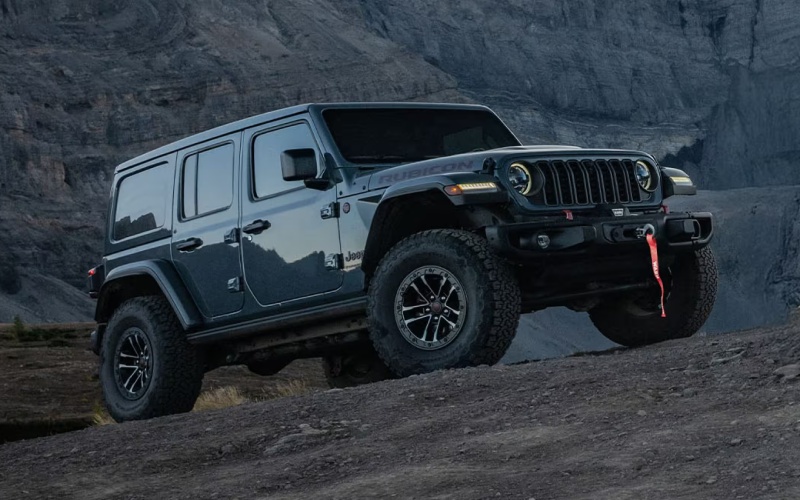
The 2026 Jeep Wrangler is a favorite among RV travelers because it blends authentic Trail Rated capability with straightforward flat-tow readiness on properly equipped models. If your adventures regularly begin at a campsite and continue on narrow, scenic byways, the Wrangler’s combination of part-time and full-time 4×4 systems, solid axles, and compact dimensions make it an ideal travel companion to bring along behind your motorhome.
Flat-towing, when done correctly, is designed to be simple and repeatable with Wrangler. The model’s robust frame, transfer case settings, and clearly labeled controls make it easy to prepare for towing, then return to normal driving after you arrive. Below, we outline key considerations, step-by-step setup guidance, and essential accessories to help you dial in a safe and reliable routine.
- Trail-ready design and a rigid frame make Wrangler a confident RV companion
- Transfer case modes allow quick changes for towing and driving
- Available factory steel bumpers support clean, robust tow bar connections
- Always verify your towing vehicle’s capacity against Wrangler’s weight ratings
With that baseline in mind, here is a practical walkthrough to prepare your Wrangler for flat-towing behind an RV.
- Confirm equipment and weight. Verify your RV’s tow rating exceeds the Wrangler’s curb weight and consider the Gross Vehicle Weight Rating for margin. Ensure your Wrangler is configured for flat-tow and fitted with a quality tow bar, base plate or mounts, safety cables, and supplemental braking that complies with your state requirements.
- Position and align. Park the RV and Wrangler on level ground. Align the vehicles directly in front of one another to reduce lateral stress on the tow equipment.
- Prepare the transfer case. With the engine running and the transmission in neutral, shift the transfer case into neutral per the Owner’s Manual instructions for your specific 4×4 system. Many Wranglers feature Command-Trac®, Selec-Trac®, or Rock-Trac® systems—follow the recommended sequence for your setup.
- Secure connections. Attach the tow bar arms to the Wrangler’s properly rated mounting points. Connect safety cables in a crisscross pattern beneath the tow bar and attach electrical connectors for lighting, plus the supplemental braking system if required.
- Final checks. Confirm the steering is unlocked as specified, verify lighting functions, and inspect that all pins, clips, and cables are fully seated. Recheck connections after the first few miles.
Because the 2026 Wrangler offers multiple transfer case systems, it is important to follow the sequence shown in your Owner’s Manual. For example, engaging neutral on a part-time Command-Trac system involves placing the transmission in neutral at low speed and moving the transfer lever to neutral, then selecting the desired gear for towing. Rock-Trac adds hardware for higher crawl ratios, but your shift sequence remains straightforward—just be sure to follow the steps for your transmission type.
Hardware quality matters. If your Wrangler is equipped with available steel bumpers, opt for tow components engineered for those mounting points. Keep your tow bar height as level as possible between the RV and the Wrangler to prevent binding. Cables and wiring should be routed cleanly and secured to avoid chafing over long distances. Many RV owners also carry a compact torque wrench and spare hitch pins to keep their gear tight and ready on extended trips.
When you arrive at your destination, simply reverse your setup steps. Disconnect the tow bar, remove cables, return the transfer case to the appropriate drive mode, and you are ready for the trail. This is where Wrangler’s strengths shine: tool-free quick-release door hinges, removable tops—including the available Sky One-Touch® Power Top—and Trail Rated® engineering that has been tested across traction, ground clearance, water fording, articulation, and maneuverability.
As you plan your RV season, a little up-front prep will pay dividends all year: check local regulations for supplemental braking, create a pre-trip checklist, and schedule periodic inspections of your towing hardware. With good habits and gear, flat-towing a 2026 Wrangler becomes second nature.
Frequently Asked Questions:
Do I need a supplemental braking system to flat-tow a Wrangler?
Many states require a supplemental braking system based on the weight of the towed vehicle. Even where not required, it is strongly recommended for control and RV brake longevity. Always check your local laws and follow the Owner’s Manual for your RV and Wrangler.
Which Wrangler 4×4 system is best for RV owners?
All Wrangler systems—Command-Trac®, Selec-Trac®, and Rock-Trac®—are designed for confident performance when you follow the correct towing procedure. If you frequently drive in changing weather on paved roads, a full-time system like Selec-Trac can be appealing for daily use, while Rock-Trac on Rubicon models optimizes low-speed control on tough trails.
Can I flat-tow with 35-inch tires?
Yes, properly installed factory 35-inch tire packages are compatible with flat-towing. Ensure your tow bar and mounts are level, and confirm your RV’s tow rating remains sufficient for your Wrangler’s weight and setup.
For personalized guidance, visit our team—Miracle Auto Group—serving Bethlehem, Lancaster, and Hazleton. We are happy to review setup details for your Wrangler, suggest trail-friendly accessories, and help you get road-trip ready for the season ahead.

0 comment(s) so far on Can You Flat-Tow the 2026 Jeep Wrangler Behind an RV near Bethlehem, PA?